LeetCode/236. 二叉树的最近公共祖先

236. 二叉树的最近公共祖先

给定一个二叉树, 找到该树中两个指定节点的最近公共祖先。

百度百科中最近公共祖先的定义为:“对于有根树 T 的两个结点 p、q,最近公共祖先表示为一个结点 x,满足 xp、q 的祖先且 x 的深度尽可能大(一个节点也可以是它自己的祖先)。”

例如,给定如下二叉树: root = [3,5,1,6,2,0,8,null,null,7,4]
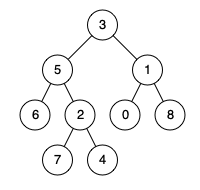
img

示例 1:

1
2
3
输入: root = [3,5,1,6,2,0,8,null,null,7,4], p = 5, q = 1
输出: 3
解释: 节点 5 和节点 1 的最近公共祖先是节点 3。

示例 2:

1
2
3
输入: root = [3,5,1,6,2,0,8,null,null,7,4], p = 5, q = 4
输出: 5
解释: 节点 5 和节点 4 的最近公共祖先是节点 5。因为根据定义最近公共祖先节点可以为节点本身。

说明:

  • 所有节点的值都是唯一的。
  • p、q 为不同节点且均存在于给定的二叉树中。

来源:力扣(LeetCode)
著作权归领扣网络所有。商业转载请联系官方授权,非商业转载请注明出处。

题解:

本题与剑指 Offer 68 - I. 二叉搜索树的最近公共祖先不同在于,本题是一棵二叉树,无法通过自顶向下的递归判断父结点的区间,所以本题只能使用自底向上的思路。如果当前结点为空直接返回空即可,如果当前结点等于p或者q说明当前结点即为p和q的最近公共祖先。我们递归遍历当前结点的左子树和右子树,如果左子树为空,这说明最近公共父结点在右子树中,如果右子树为空,则最近公共父结点在左子树中。如果当前结点不为空,说明当前结点就是最近公共父结点。

具体代码如下:

1
2
3
4
5
6
7
8
9
10
11
12
13
14
15
16
17
18
19
20
21
22
23
24
/**
* Definition for a binary tree node.
* public class TreeNode {
* int val;
* TreeNode left;
* TreeNode right;
* TreeNode(int x) { val = x; }
* }
*/
class Solution {
public TreeNode lowestCommonAncestor(TreeNode root, TreeNode p, TreeNode q) {
if (root == null || p == null || q == null || root == p || root == q)
return root;

TreeNode left = lowestCommonAncestor(root.left, p, q);
TreeNode right = lowestCommonAncestor(root.right, p, q);

if (left == null)
return right;
if (right == null)
return left;
return root;
}
}

Comments